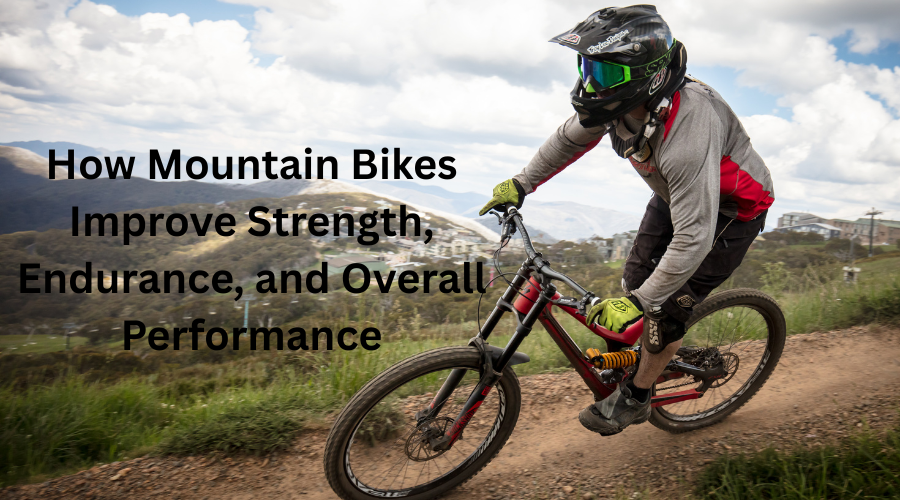
Mountain biking provides great fitness results compared to ordinary biking. The rugged terrain, diverse movements, and outdoor setting provide a total-body workout, helping develop several physical abilities. Learning to see mountain biking as a fitness enhancement of the body can make people know that it is very valuable.
Mountain biking exercises the legs. Hiking also involves pushing off several times on the pedals to get up hills. This sustained opposition strengthens the quadriceps, hamstrings, and calves. The muscles become stronger through frequent strenuous rides.
Various terrains produce different resistances. Steep climbs require maximum leg power. Uneven surfaces require continuous adjustments of the body, which feel like uniquely working the muscles compared to paved roads. It is this diversity that builds balanced leg power rather than stamina.
Mountain bikers also use pedals to clear obstacles and steep areas. Standing pedaling involves using body weight and other muscle groups. This stance makes the legs stronger than the isolated seated peddling.
Uneven paths can make one prone to frequent balance problems. The core muscles continuously maintain the body's even position on a bumpy surface. This constant movement involves building abdominal and back muscles without specific core activity.
Mountain biking uses the core connecting upper and lower body movements. Legs push the pedals, and arms pull the handlebars. The core moves power between the upper and lower body, and it becomes stronger through this consistent coordination.
The well-built main body muscles through mountain biking enhance normal posture. Having better posture will make all physical activities easier and minimize back pain. The acquired functional core strength is transferred to daily life activities.
Different topography produces natural interval training. Heart rate peaks with intensives, while relative recovery occurs during descents. This training produces better cardiovascular fitness than moderate-pace training.
Frequent mountain biking can raise the level of efficiency of the body to utilize oxygen. Muscles use oxygen better. This increases efficiency, minimizing fatigue during every physical activity.
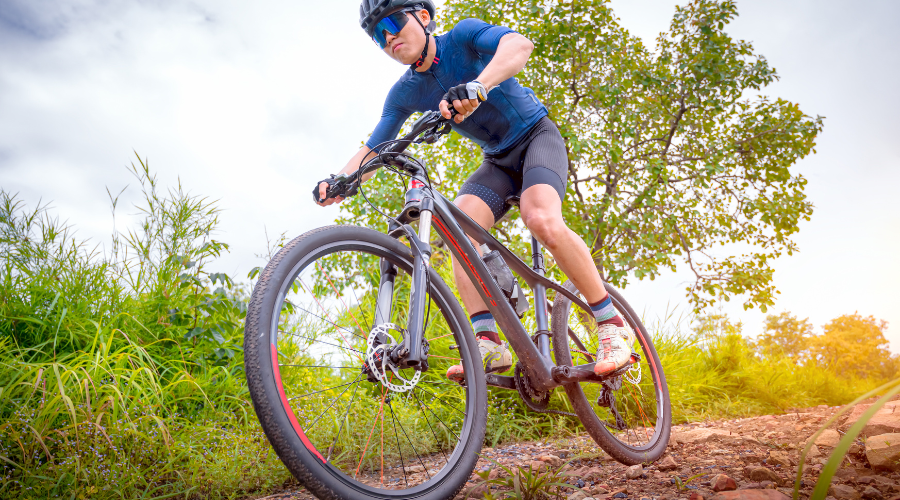
Rides on the mountain bikes usually take hours. There is a need for muscles that work continuously for long periods. This kind of endurance is trained differently from brief, vigorous gym sessions.
Each ride involves thousands of pedal strokes, training the muscles to endure. The monotony builds stamina without the monotony of indoor exercise. Long-distance exercise is enjoyable when it is accompanied by outdoor scenery.
The muscles are able to adjust to the mountain biking needs by becoming able to withstand fatigue. The interval between rides helps strengthen muscles. Training introduces gradual gains in muscular endurance.
Riding through rough mountains requires a lot of arm muscles to control the mountain bikes. Working on arm muscles includes pulling the handlebars, absorbing shocks, and maneuvering through obstacles. The shoulders balance the upper body throughout, as they go round.
The handlebar grip stays firm during long, rough rides, developing amazing grip power. The forearm and hands are exercised. Many of the other activities and day-to-day tasks are assisted by this grip strength.
The riding position and the constant balancing required tighten the back muscles. A strong back will help prevent injury and enhance performance in any sport. Mountain biking develops back strength on its own naturally.
This is because, to step around rocks, roots, and other obstacles, there has to be a specific degree of balance. Bikers keep on changing body position to stabilize. This enhances balance that enables the prevention of falls in real life.
Riders should look ahead whilst negotiating short-run barriers. This gives the best hand-eye coordination. The brain learns to handle visual inputs and movements at a given time.
Unexpected impediments need immediate responses. Frequent mountain biking enhances reaction speed, as the body becomes accustomed to responding immediately to varying circumstances. Quick reactions are advantageous to any physical activity.
Biking in the mountains consumes a lot of calories. The variation of high-intensity intervals and the consistent workload pose significant physical energy requirements. Mountain biking is thus a perfect choice for weight management.
The rides with increased length utilize fat deposits. The body functions more effectively at using fat to produce energy. This metabolic adjustment will continue burning up calories even outside the rides.
Mountain biking strengthens muscles and burns fat. The outcome is a fitter, sculpted body. Compared with pure cardio, which can melt muscle mass, mountain biking preserves and builds muscle mass.
Natural environment exercise lowers stress hormones. Mountain biking is good exercise and a great way to be in the open air. This combination is a good way of clearing the mind as well as mood improvement.
Technical trials require total concentration. This meditative condition offers psychological relief from everyday concerns. Focused attention practice enhances concentration in other aspects of life.
Confidence is gained by learning difficult trails. Effective coping with challenging areas is a personal ability. Such a sense of confidence can lead to challenges in other aspects of life.
The short, steep climbs are good for bursts. These demands develop muscles to produce peak force over a short duration with regular exposure. This is the power enhancement that enhances performance in most sports.
In racing, other riders' or sprinting speed makes the difference. These intense workouts develop muscle fibers of the fast-growing type. The attained power assists with any activity involving fast, powerful motions.
Mountain biking has a broad impact on fitness, including strength, endurance, and performance. Combined with the physical and psychological advantages, mountain biking is one of the most efficient whole-body fitness programs that can be taken. Frequent riders have comprehensive athletic skills that benefit their sporting activities and overall quality of life.
How many calories does mountain biking burn per hour?
Mountain biking burns between 400 and 1,000 calories per hour, depending on terrain difficulty, intensity level, and rider weight.
How often should I mountain bike to see fitness improvements?
Riding 2 to 3 times per week for at least 30-60 minutes per session produces noticeable strength and endurance improvements within 4 to 6 weeks.
Is mountain biking better than road cycling for building strength?
Yes, mountain biking builds overall strength due to varied terrain, technical obstacles, and the need to use upper-body and core muscles more intensively than road cycling.
Can mountain biking help with weight loss?
Yes, mountain cycling efficaciously supports weight loss via excessive calorie burning, muscle building, and sustained fat burning in the course of longer rides.
Do I need to be fit before starting mountain biking?
No, beginners can start with easy trails and gradually build fitness through regular riding, though basic cardiovascular fitness helps make the initial experience more enjoyable.
Highlights -Terrain should guide all decisions. -Hardtails cost less. Full suspension grips better....
READ FULLPeople around the world are facing rising fuel prices, which is forcing them to choose electric vehicles. What if the...
READ FULLHighlights The first step in checking a supplier’s quality control is to determine the frame welds, f...
READ FULL