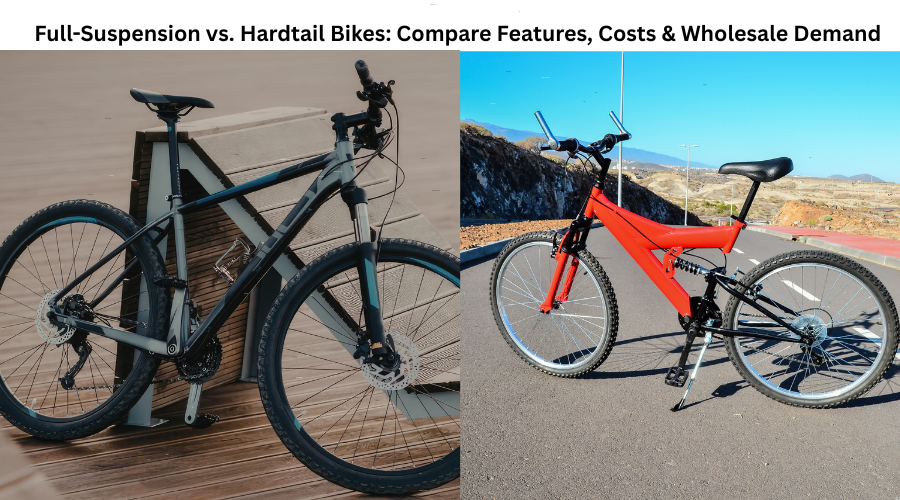
Bike retailers and distributors have a recurring problem. Should they offer full suspension? Or hardtail? Or both? These types are designed to suit different riders and pricing. This guide is used to compare the two formats: build, cost, and wholesale demand so you can plan your inventory with more confidence.
The full-suspension bike features a front fork and a rear shock. Both absorb the impact of rough terrain. A hardtail bike has only a front fork. There is no rear shock absorption, and the rear frame remains firm. With just this one change, the ride quality, weight, maintenance, and cost all change. Full suspension is more popular among those who ride on technical trails. Generally, hardtails are chosen by speed, climbers, or budget riders.
Both are extremely important to the wholesale buyer because customers differ by region, terrain type, and price sensitivity.
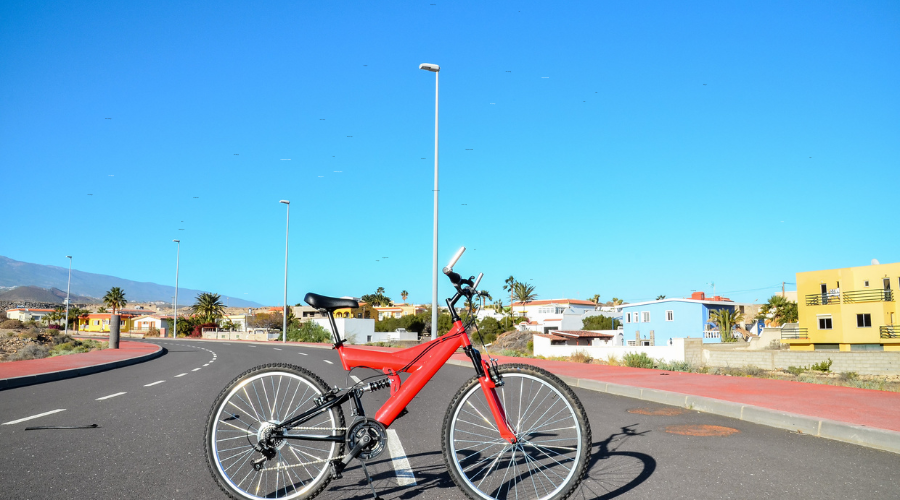
Full suspension frames are fitted with a pivoting system that connects the front and rear triangle. This pivot allows the rear wheel to rotate without having to turn the frame. The most frequently used pivot plans are the four-bar linkage and the single pivot.
Rear shock travel will be between 100mm and 170mm for the bike's use. Trail bikes are typically in the range of 130mm to 150mm. Downhill bikes exceed 170mm, for more impact.
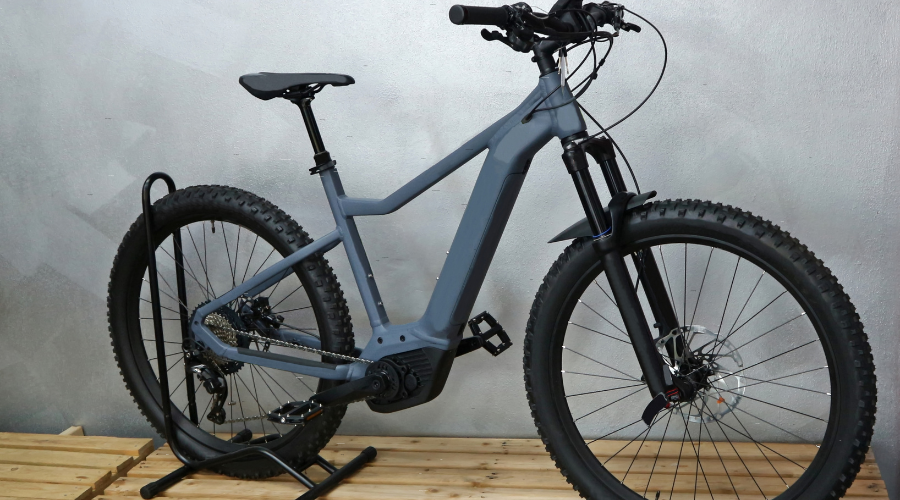
A hardtail frame features one rigid back triangle, a welded or bonded single piece. This simpler design equates to fewer parts, fewer pivot points, and less manufacturing engineering complexity.
The travel range of the front forks for hardtail bikes is typically 80mm to 140mm. Cross-country hardtails will promote shorter travel for efficient climbing. Trail-oriented hardtails use longer travel for rougher terrain.
Full Suspension Bikes are heavier than bikes at equivalent pricelines. This is the range that a mid-range aluminum hardtail falls within, at an average around 13kg.Full suspension bikes will normally weigh between 13.5kg and 16kg when they have the shock and pivot units.
The primary concern of buyers looking for racing, commuting, or long-distance touring is weight. Hardtails provide a clean weight advantage, although full-suspension weight has been reduced in recent years through improved frame materials, at most price points.
Hardtail frames are less expensive to produce. This results in reduced parts and assembly costs. This cost saving usually passes down the supply chain to wholesale pricing.
The full-suspension frames require shock absorbers, pivot bearings, and other complex frame welding. The added components are very expensive to manufacture. Entry-level full-suspension bikes seem to start where mid-range hardtails sit in price.
Depending on the quality of the components and the hardness of the frame, hardtail bikes can be found in the price range from 90 to 180 USD. For $180 to $350, you can get mid-range hardtails with upgraded drivetrains and forks.
Full suspension bikes usually begin at about 220 USD to 400 USD wholesale. The high-end full-suspension options, such as full carbon and high-quality shocks, can cost upwards of 600 USD wholesale, again by specification.
Hardtail bikes are easier to take care of. The fewer moving parts, the fewer parts to service, lubricate, or replace over time. This makes hardtails appealing to markets that do not have a bike service shop available.
Regular shock maintenance is required for full suspension bikes. Pivot bearings eventually wear out and require periodic replacement. For markets with good bike service infrastructure, buyers can do more to lift full-suspension demand than markets with poor access to parts and service.
The retailers need to consider after-sales support capacity while making their inventory decisions. A full-suspension bike, sold without convenient service support nearby, can result in a frustrated customer when it comes time to service the shock or bearings.
The hardtail style is the preferred choice for the urban and commuter markets. These markets emphasize effectiveness over technical trail capability, and cost and ease of maintenance over efficiency. Similarly, there is little need for rear suspension if the area is flatter or lightly hilly.
Demands for full suspension run high where mountain biking or trail riding is popular. Full suspension bikes have higher sell-through rates for retailers that keep them in bike shops close to trail access or mountain resorts.
In the price sensitive market the hardtails are the choice. That lower manufacturing cost is passed on to the consumer, especially in markets with enough disposable income to spend on recreational equipment.
In the hardtail segment, common parts are used a little more consistently across different brands and models. This standardization could make it easier to order replacement parts and simplify inventory management for distributors carrying many different bike manufacturers.
There are also shock mounts or pivot hardware from specific manufacturers and designed for full-suspension bikes. Buyers need to ensure parts are available and interchangeable before purchasing a complete product line, particularly for extended post-sales support.
Which frame material and warranty are offered with each model?
What shock brand and specification is used in the full-suspension line?
What is the lowest quantity of mixed hardtail and full-suspension containers that can be ordered?
Do you have sourcing information at component level for replacement parts?
What does the quality and assembly test consist of before shipment?
A good manufacturer will be able to give specific data when you ask questions as opposed to general assurances about the safety of the product. Before ordering a bulk load of components, request spec sheets for frame geometry, shock travel, and component grade.
Successful wholesale buyers carry a variety of sizes, not just one. Hardtail bicycles tend to sell more and therefore generate consistent sales figures. A full suspension will sell at higher margins and is more profitable on less quantity sold.
A common inventory split has hardtail bikes representing 60-70% of inventory, and full suspension bikes representing the rest. This ratio will change depending on the terrain, the rider's income, and local riding culture.Periodically monitor sell-through and adjust future purchases based on real sell-through and not assumptions.
Choose a manufacturer who can handle both formats, not one that is technically adept with only one format. This allows adjustments to the product mix without having to change suppliers, according to the demand for various formats. To place a large order, ask to see samples from both lines. A sample can help you see weld quality, shock performance, and part fit before ordering, while also providing a sample to review against spec sheets and photographs.
These are two different market demands at the wholesale level. The cost, weight, and simplicity are hardtail bikes' advantages. Full suspension bikes are the winner when it comes to trail performance and profit per bike. Customize your stocking pattern for best use of the market, terrain, income, and service infrastructure of your target market.
Which sells better wholesale, full-suspension or hardtail bikes?
Full-suspension bikes generally sell with higher margins, while hardtail models tend to achieve higher volume sales.
What is the lowest order quantity for wholesale-sold mountain bikes?
The minimum order quantity depends on the mix of manufacturers and models. Find a supplier that clearly displays the MOQ terms for both formats.
What should I check to select the best bulk bike supplier?
Before placing a large purchase order, ask for any specification sheets, sample products, or parts suppliers they can provide.
Where to source hardtail and full-suspension bikes?
Work with one manufacturer who makes both brands, or with two specialist suppliers to provide quality products in both formats.
Which have good after-sales support, hardtail bikes or full-suspension bikes?
Yes. It's important to remember that full-suspension bicycles require shock and bearing maintenance, so check local service capabilities before loading them up.
Highlights The first step in checking a supplier’s quality control is to determine the frame welds, f...
READ FULLChoosing a Voyager bike is not only about selecting a color, pric...
READ FULLThe global mountain bike market reached $2.58 billion in 2025 and is projected to reach $4.07 billion by 2034, growin...
READ FULL