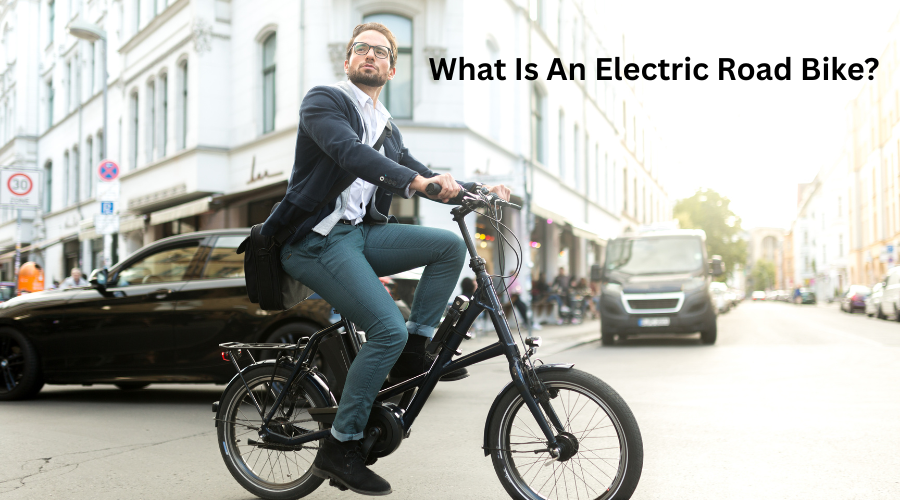
Electric road bikes are redefining the concept of cycling, such that many people can now travel longer distances and on problematic roads without losing the sporty touch of normal road riding.
Electric road bikes resemble normal road bikes. They have the same drop handlebars, thin tires, and aerodynamic frames that render road bikes fast and efficient. It is provided only by the electric motor, battery, and control system, which help provide power assistance during pedaling.
The motor does not augment the pedaling. On the contrary, it reinforces the efforts of the rider. The motor also provides additional power when one is pedaling, thus making it easy to sustain speed, climb hills, or ride in opposing wind waves. The riders can pedal and exercise, but reach higher speeds or greater range than on an average bike.
The majority of electric road bikes are intended to replicate the traditional road bikes as much as possible. Manufacturers have been careful in combining motors and batteries to reduce the added weight and ensure they handle well. This aims to develop bikes that ride naturally, but offer an electric experience when required.
Bikes that operate on electricity utilize pedal-assist. The rider uses sensors that trigger the motor when he is pedaling. The more complex the rider rides, the more support the motor provides. This gives the effect of a natural reaction that the bike is responding to the effort of the rider instead of moving itself in a straight direction.
Assistance levels are controllable by means of handlebar assembled controls. Low assistance offers slight assistance, adds range, and has a more workout feel. High assistance provides the best power for ascending steep hills or accelerating quickly. It has medium settings that offer balanced performance and battery life for normal riding.
The battery stores energy that powers the motor. The majority of electric road bikes place their batteries on or within the frame, balancing well. The battery capacity defines the range of the bikes. Bigger batteries can be used to ride longer distances, but increase the weight.
The controllers regulate power between the battery and the motor. These computerized systems provide an efficient and responsive aid that matches the rider's input. Power delivery varies continuously with pedaling force, speed, and amount of assistance selected by an advanced controller.
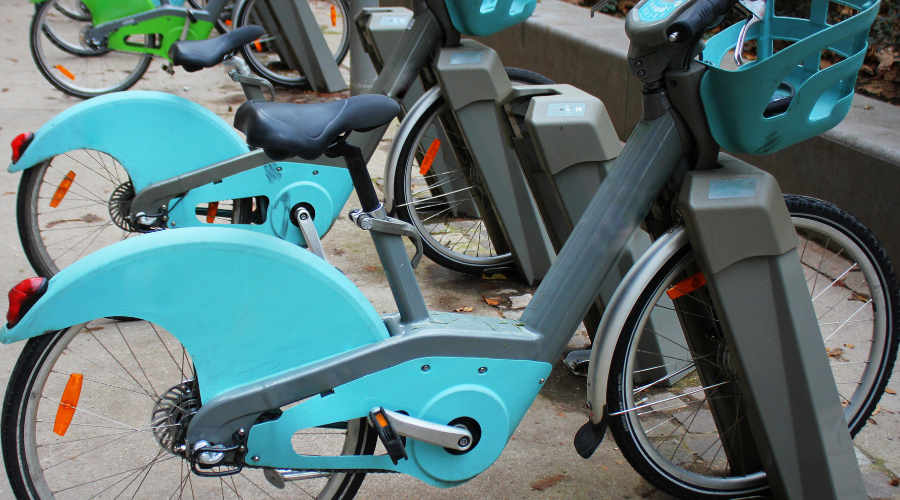
Electric road bikes typically use one of two motor placements. Hub motors are also fitted on the rear wheel, with the wheel driven directly by the motor. Hub motors are less complex and, in many cases, cheaper. They are also very easy to service, quiet, and easy to assist. Nevertheless, the hub motors increase the wheel's weight and fail to utilize the gears on the bike, which is less efficient on rough terrain.
These motors operate through the bike's gears to deliver effective power across varying terrain and speeds. Mid-drives are more comfortable for the older biker and are overall more expensive than other forward-motor systems.
Mid-drive motors are used in most high-end electric road bikes due to their superior performance and ability to maintain the road-bike balance that cyclists desire. The motor placement is centered and low, resulting in a nimble feel similar to that of a conventional road bike.
All modern electric road bikes have Li-ion batteries. These batteries are good in energy density, which means they are able to hold a significant amount of power in tiny, lightweight packages. Battery capacity is in the form of watt-hours, with an average battery capacity of an electric road bike being between 250 and 750 watt-hours.
The scope is reliant on various parameters such as battery size, power aids, ground conditions, rider mass, and weather. Electric road bikes can cover 30-100 miles at once. The maximum assistance level consumes more power, and the minimum one has a dramatically longer range.
Regular electric sockets can charge batteries. The time taken to charge a battery depends on its size, but normally, charging for two to six hours is a full charge. Many batteries can be removed and charged indoors at home, without carrying the entire bike.
A battery's lifespan, measured in charge cycles, defines its usefulness. Lithium-ion batteries have a useful life of 500 to 1000 complete charge cycles, after which standard-quality performance starts to decline significantly. Batteries tend to last many years of normal use with proper care.
With electric road bikes, road cycling is accessible to more people. Those who are too challenging road bike riders can now ride the sport with electric assistance. This makes road cycling more open to older people, people coming back after their injury, or to everyone who would like to ride longer without over-exhaustion.
Workers find it easier to reach their offices without being as sweaty and exhausted. The electric assistance allows you to wear regular clothes and look professional after the ride. With the help of electric motors, longer commutes can be made feasible by overcoming distance and hills.
Electric road bikes open up group rides to more people. Riders of diverse fitness levels can comfortably ride together, as the slower riders apply more assistance to keep pace with the group. This aspect of society makes cycling an enjoyable experience for most individuals.
E-bikes are a smart development of bicycles. They are fast and efficient, with the performance of a conventional road bike, and can cover longer distances with motor support. These bikes make road biking accessible to most and offer performance benefits that even seasoned bikers enjoy.
Q1: Do you still ride an electric road bike for exercise?
Yes, electric road bikes can be pedaled for exercise because the motor only supports your efforts, not replaces them. You can also adjust workout intensity by changing assistance levels.
Q2: How is it possible to charge an electric road bike battery, and how much time does it take?
Depending on the battery's size and capacity, most electric road bikes take 2 to 6 hours to charge from a standard electrical supply fully.
Q3: Do you think you can ride an electric road bike without the motor?
Yes, electric road bikes can be used like a normal bicycle with the motor off, but they will weigh more because of the motor, battery, and electronic components
Obesity and heart problems are rising higher than ever before. The cause is obvious, and it is a sedentary lifestyle....
READ FULLHighlights -Terrain should guide all decisions. -Hardtails cost less. Full suspension grips better....
READ FULLPeople around the world are facing rising fuel prices, which is forcing them to choose electric vehicles. What if the...
READ FULL